Hoeksche Waard Politics: A Deep Dive into Historical Election Trends and Turnout (1946-2026)
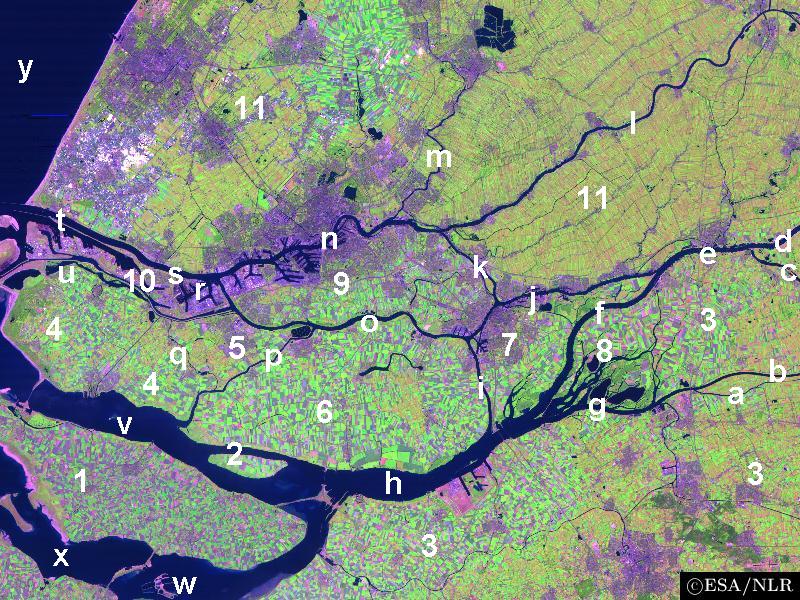
The Hoeksche Waard, a distinct island region in the province of South Holland, boasts a rich and evolving political landscape. Understanding the
Verkiezingsuitslag Hoeksche Waard – the election results – over the decades provides invaluable insight into the region's socio-political heartbeat. From the post-war recovery era to the present day, local and national elections have shaped the community, reflecting changing demographics, values, and priorities. This comprehensive analysis will explore the historical voting patterns, the crucial role of voter turnout, and the significant outcomes from 1946 all the way to the anticipated 2026 municipal elections, offering a nuanced perspective on Hoeksche Waard's political journey.
Tracing the Electoral Journey: Hoeksche Waard's Political Preferences from 1946
The political preferences in the municipality of Hoeksche Waard have been shaped by a blend of national currents and distinct local characteristics. Since 1946, the region has participated in numerous national (Tweede Kamer) and local (gemeenteraad) elections, each revealing fascinating shifts and enduring loyalties. Data spanning from 1946 to 2025 for Tweede Kamer elections showcases a long history of engagement, with records detailing the support garnered by the twelve largest parties. This extended historical view allows us to observe how national political movements resonated – or diverged – within the Hoeksche Waard community.
Historically, like many rural and traditionally conservative areas in the Netherlands, the Hoeksche Waard has often shown a strong inclination towards parties with Christian-democratic roots and conservative values. The consistent presence and often leading role of parties like the CDA (Christian Democratic Appeal) and SGP (Reformed Political Party) in election outcomes underscore these foundational preferences. However, this isn't to say the political landscape has been static. Over the decades, we've witnessed the ebb and flow of support for various parties, reflecting broader societal changes such as secularization, economic shifts, and the emergence of new political priorities, particularly environmental concerns and local governance issues.
The detailed *Verkiezingsuitslag Hoeksche Waard* from these past elections serves as a chronicle of the island's evolving identity. While specific vote counts for every election between 1946 and 2025 would be extensive, the overarching trend indicates a community that values stability but is also responsive to new political voices, especially those focused on local concerns.
The 2026 Municipal Election Results: A Snapshot of Current Political Dynamics
The recent 2026 municipal council elections for the Hoeksche Waard municipality provide a clear and compelling snapshot of the region's current political dynamics. With a turnout of 56.1%, the provisional results released on Wednesday, March 18, 2026, revealed both continuities and significant shifts. For a detailed breakdown of the 2026 results and their implications, you can read more in our dedicated article:
Hoeksche Waard Election Results 2026: CDA Wins, Key Shifts Revealed.
The **Verkiezingsuitslag Hoeksche Waard** for 2026 showcased the following distribution of seats in the municipal council:
*
CDA: Emerged as the largest party, securing 7 seats, a growth from their previous 6. This solidifies their long-standing position within the Hoeksche Waard.
*
Lokalen Hoeksche Waard: A strong second, increasing their representation from 5 to 6 seats, highlighting the growing influence of local political movements.
*
SGP (Staatkundig Gereformeerde Partij): Maintained a significant presence with 5 seats.
*
GroenLinks-PvdA: A combined list, securing 4 seats.
*
VVD (Volkspartij voor Vrijheid en Democratie): Also achieved 4 seats.
*
BurgerBelangen: Gained 3 seats.
*
VoorWaards: Saw a decrease in their representation, ending with 3 seats compared to previous elections.
*
ChristenUnie: Secured 2 seats.
*
D66 (Democraten 66): Also obtained 2 seats.
*
WOW (Wij Op Walchers): Concluded the list with 1 seat.
In total, 41,200 residents cast their votes. Alongside the valid votes, 200 blank votes and 93 invalid votes were counted, a common occurrence in any election. The shifts, particularly the growth of CDA and Lokalen Hoeksche Waard and the slight decline for VoorWaards, indicate a dynamic electorate that is both reinforcing established preferences and embracing new or growing local voices. These outcomes will undoubtedly shape the policy agenda and political debates in the Hoeksche Waard for the coming term.
Voter Turnout: A Reflection of Civic Engagement (1970-2026)
Voter turnout is a crucial indicator of civic engagement and the perceived relevance of elections. In the Hoeksche Waard, like the rest of the Netherlands, the history of turnout is particularly interesting due to a significant legislative change. Before 1970, the Netherlands had a system of compulsory voting (opkomstplicht). This meant that eligible citizens were legally required to cast their vote, resulting in historically high turnout figures.
The period from 1970 onwards, with the abolition of compulsory voting, offers a more organic reflection of the electorate's willingness to participate. The graph charting turnout from 1970 to 2026 for elections in the Hoeksche Waard reveals trends in voluntary participation. For the 2026 municipal elections, the turnout stood at 56.1%. While specific historical figures for every year aren't detailed in the reference, this 56.1% figure can be contextualized by looking at general trends. National municipal election turnout typically hovers around 50-60%, making Hoeksche Waard's 2026 figure fairly consistent with broader patterns of local election engagement.
Several factors influence voter turnout, including:
*
Perceived Importance: Voters are more likely to participate if they feel the election genuinely impacts their daily lives or addresses pressing local issues.
*
Controversial Issues: Highly debated local topics can galvanize segments of the population to vote.
*
Candidate Engagement: Charismatic candidates or effective local campaigns can boost enthusiasm.
*
National Mood: Broader national political sentiment can sometimes spill over into local elections, influencing turnout.
For a deeper understanding of how municipal and national voting data intertwine, explore
Understanding Hoeksche Waard's Vote: Municipal 2026 & National 2025 Data. Encouraging higher turnout remains a goal for many civic organizations and political parties, often through public information campaigns and efforts to make voting as accessible as possible.
Understanding Hoeksche Waard's Political Identity: Local vs. National Dynamics
The analysis of historical
Verkiezingsuitslag Hoeksche Waard reveals a fascinating interplay between local priorities and national political narratives. While national elections (Tweede Kamer verkiezingen) from 1946 to 2025 show how Hoeksche Waard citizens align with broader Dutch political ideologies, the municipal elections highlight the power of local issues and parties.
The consistent strength of the CDA, even while often facing fluctuating support nationally, points to an enduring appeal of its platform in the Hoeksche Waard. This reflects a community that likely values stability, traditional values, and a strong emphasis on community development, often associated with Christian-democratic principles. Similarly, the SGP's solid performance is indicative of the region's significant religiously conservative electorate.
However, the impressive performance and growth of local parties like Lokalen Hoeksche Waard, BurgerBelangen, and VoorWaards in municipal elections underscore a vital aspect of Hoeksche Waard's political identity: the desire for direct, accountable representation on issues specific to their island home. These parties often campaign on issues such as infrastructure, housing, environment, and services that are directly relevant to residents, bypassing the broader ideological debates of national politics. The success of these local entities suggests a pragmatic approach from voters who want their immediate concerns addressed by representatives deeply rooted in the community. This dual dynamic – consistent support for established national parties with local appeal, alongside a growing embrace of purely local movements – paints a nuanced picture of political engagement in the Hoeksche Waard.
Conclusion
From the post-war landscape of 1946 to the forward-looking municipal elections of 2026, the
Verkiezingsuitslag Hoeksche Waard offers a compelling narrative of political evolution, enduring values, and dynamic civic engagement. The historical data, including voter turnout trends and the specific outcomes of the 2026 elections, clearly demonstrate a community that actively participates in shaping its future. The consistent presence of established parties like the CDA and SGP, alongside the rising influence of dedicated local parties, paints a picture of a region that values both tradition and tailored local governance. Understanding these trends is crucial for anyone interested in the democratic heartbeat of this unique Dutch island, providing valuable lessons in local political dynamics and the enduring power of the ballot box.